Microneedling in Ottawa: Preparation, Downtime and Aftercare
Plan your Ottawa microneedling appointment with practical preparation, recovery, aftercare, safety guidance, downtime and current Mosaic pricing.
In this guide
- 01What should you do before a microneedling appointment?
- 02What happens during a microneedling session at Mosaic?
- 03How much downtime should you plan after microneedling?
- 04What should you put on your skin during the first week?
- 05When can you exercise, wear makeup, or restart active skincare?
- 06Which microneedling reactions need a call?
- 07Frequently asked questions
You have a microneedling appointment on Friday, but Monday is full of meetings. That makes the recovery questions more useful than a polished before-and-after photo. How red might your skin look? When can you wash your face, wear makeup, exercise, or restart retinol? And what should make you call the provider instead of waiting it out?
Mosaic offers microneedling in Ottawa for $250 per 60-minute session. Use this guide to prepare your questions about treatment and the first week afterward. It does not replace the instructions given for your skin, device, treatment depth, or health history. When those instructions differ from a general article, follow your treating professional. If instructions conflict, ask the provider to clarify them. Seek medical care for a concerning reaction.
What should you do before a microneedling appointment?
Start with an honest skin and health history. Mention cold sores, eczema, psoriasis, recent tanning, unusual scarring, pregnancy or breastfeeding, medications, and allergies. Bring the names of your skin products rather than trying to remember them in the treatment room. Tell the provider about recent facial procedures and anything that has changed since booking.
The U.S. Food and Drug Administration's microneedling device guidance tells patients to discuss expected benefits and risks and to choose a provider trained to perform the procedure. It lists suitability concerns including active skin infection, a history of keloid scars, isotretinoin use, blood-thinning medication, tanning, pregnancy or breastfeeding, and certain allergies. These are screening points, not a diagnosis made from a checklist.
The American Academy of Dermatology's microneedling guidance explains that a preparation plan may include pausing retinoids or other skincare ingredients for a few days and protecting skin from the sun. Ask exactly which products to pause and when. Do not stop a prescription medication solely because a blog or social post says to do so; involve the prescribing clinician.
Mosaic's microneedling service is listed at $250 for a 60-minute session. Tell the team if your skin is irritated or your health or medication history has changed before the appointment. A provider can decide whether to adjust the plan, postpone treatment, or recommend medical assessment.
What happens during a microneedling session at Mosaic?
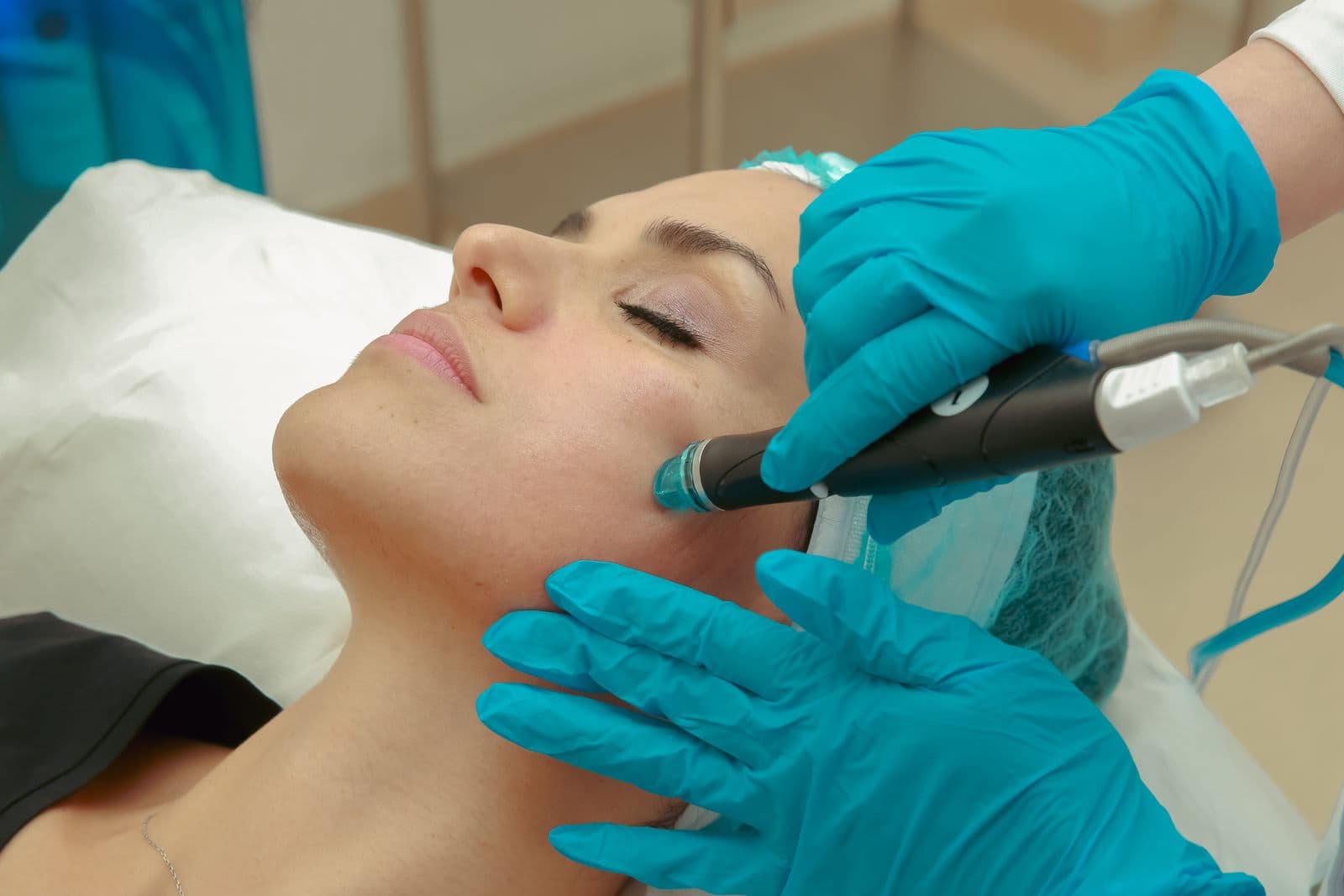
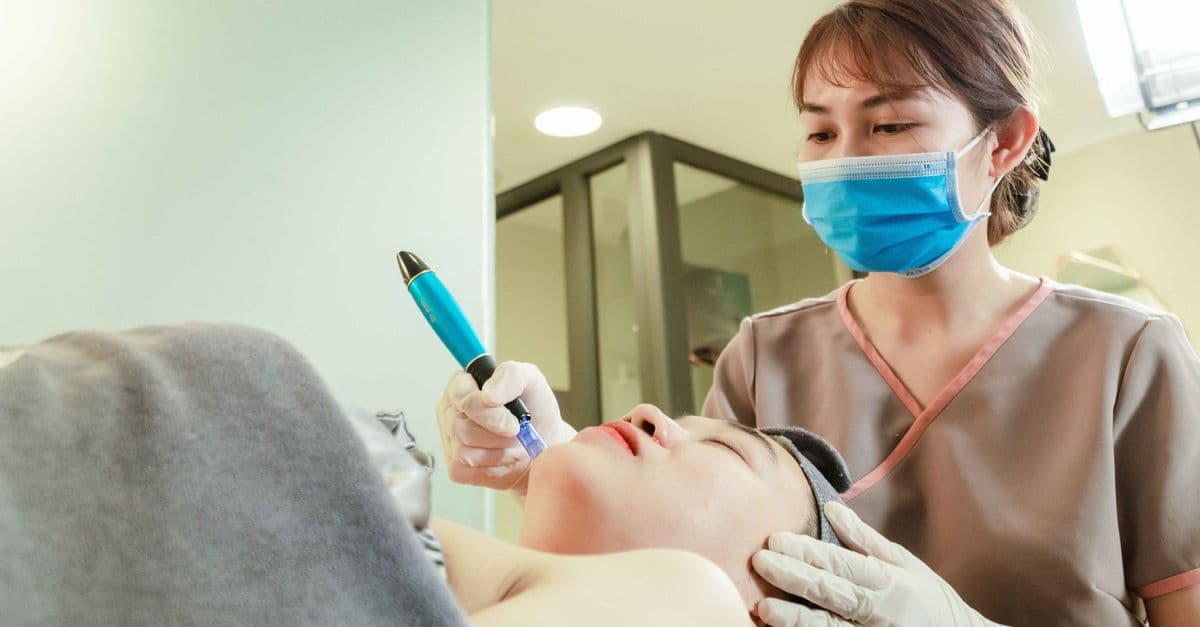
The appointment should begin with a review of your goals and a check of the skin being treated. Mosaic's service information identifies Heather as its Medical Aesthetician & Wellness Specialist. It describes cleansing, topical numbing cream, and a professional device used at settings chosen for the skin and concern. That role title should not be read as a claim that the service is performed by a physician or dermatologist.
Microneedling uses fine needles to create small punctures in the skin. The Cleveland Clinic's microneedling guide explains that this stimulates the skin's healing process. It also describes warmth or a scratching sensation during treatment and possible discomfort near bony areas. Speak up about intense pain, burning, dizziness, or anything unexpected while the session is happening.
Ask which device is being used and what will be applied during and after treatment. The FDA says microneedling devices are not approved to deliver cosmetics, topical medications, vitamin solutions, drugs, or blood products such as platelet-rich plasma into the skin. It says the risks of combining devices with other products are not known. These are U.S. regulatory statements, not evidence of Canadian authorization for Mosaic's device or a claim that Mosaic offers those add-ons.
Also ask how the device is cleaned and whether a new needle cartridge is used for your session. The same FDA guidance says a new cartridge is needed for each patient and each treatment session, including repeat visits by the same person. Cleaning a used cartridge does not make reuse safe. These questions belong before treatment, not after you have already agreed to an unfamiliar procedure.
How much downtime should you plan after microneedling?
Do not promise your calendar that every trace of redness will be gone in 24 hours. Mosaic's service page describes a common 24 to 48-hour window, but recovery can last longer. Cleveland Clinic says skin might remain red and swollen for up to five days. That is a planning reference, not a deadline by which everyone must look or feel recovered.
The AAD describes redness on lighter skin or darker shades on darker skin, along with sunburn-like discomfort, burning, or swelling. It says these reactions usually disappear in a few days to a week. Neither source can predict how your own Monday morning will look after a Friday appointment.
If you have a wedding, photos, travel, or an important presentation, discuss the date before booking. Ask whether you should allow more time or postpone the treatment until afterward. Being able to return to work is not the same as being comfortable on camera or ready to resume your full skincare routine.
Ask Mosaic what changes to expect over the following days and whom to contact outside appointment hours. If you are concerned, note when the change started and take a clear photo to share with the provider. Do not use makeup or a new product to hide a reaction that needs assessment.
What should you put on your skin during the first week?
Use only the cleanser, moisturizer, sun protection, and other products Mosaic approves for your treatment, at the times you are given. The AAD explains that an aftercare plan helps reduce infection risk and that a dermatologist may recommend an aftercare cream to soothe treated skin. It does not give one cleanser or washing schedule for every device and treatment.
Cleveland Clinic notes that some people develop dry, flaking skin that improves with moisturizer. That supports discussing hydration, not choosing an unfamiliar serum on your own. The FDA lists stinging or itching when cosmetic products are applied among possible risks. A product you normally tolerate may therefore need a different plan after treatment.
Before leaving, ask when you should first wash your face, which cleanser to use, how to dry the area, and what to apply afterward. Mosaic's published aftercare starts with a period without washing or unapproved products, then introduces gentle cleansing. Do not replace that sequence with another clinic's first-day routine. If the written sheet and the advice you remember differ, call to clarify rather than combining them.
Sun protection deserves extra attention. Cleveland Clinic advises staying out of the sun until the skin heals. Ask which sunscreen is appropriate and when to apply it. Plan shade and a hat rather than a long outdoor day. If you are still deciding between treatments with different recovery needs, a consultation with Mosaic can help you discuss the options before booking.
When can you exercise, wear makeup, or restart active skincare?
Keep the restart instructions separate: permission to wear makeup does not also mean permission to exercise, swim, or restart retinol. The AAD advises waiting 24 hours before applying makeup. That is general guidance from a dermatology organization, not a promise that your skin is ready at that exact point. Follow a longer wait if your treatment instructions require it, and ask before applying makeup to skin that is still irritated or broken.
Mosaic's published microneedling aftercare asks clients to avoid sweating and exercise for 48 to 72 hours. Its guidance also lists longer pauses for swimming, hot tubs, saunas, and active skincare. Those are Mosaic's service instructions, not universal medical rules established by the AAD or Cleveland Clinic. Confirm the schedule for the treatment you actually receive, especially if your skin has not settled by the suggested restart time.
Tell the provider how you usually exercise before treatment. Ask about your usual activity, whether it is a run, a gym class, swimming, or outdoor sport. Specifics help: "Can I go to my usual class?" is easier to answer than "When am I back to normal?" Do not treat a generic first-day makeup rule as clearance for every activity.
For skincare, list each product by name, including retinoids, exfoliating acids, benzoyl peroxide, scrubs, and vitamin C. Ask what to stop and how to restart it. Prescribed acne or pigment treatments need guidance from the prescribing clinician as well as the microneedling provider. Keep the instructions with your products so you do not have to reconstruct them from memory later in the week.
Which microneedling reactions need a call?
Ask Mosaic what normal recovery should look like before you leave. The FDA lists redness, tightness, dryness, peeling, discomfort, bruising, and bleeding among common risks. It also lists less common risks such as infection, pigment changes, and reactivation of cold sores. Knowing that a reaction is possible does not mean you should dismiss it if it is severe or worsening.
Cleveland Clinic advises contacting a healthcare provider if the treated area bleeds for longer than 24 hours, blisters, or stays swollen for longer than a week. These thresholds are not instructions to wait when something is already wrong. Contact a healthcare provider sooner for a concerning or worsening reaction.
The FDA advises immediate medical attention for signs or symptoms of complications. Mosaic's own aftercare identifies pus, fever, increasing pain, severe swelling, and unusual skin reactions as reasons to seek help. For severe symptoms or a suspected serious allergic reaction, seek urgent medical care rather than waiting for the salon to reopen. Call emergency services for an emergency.
Once the skin has healed, judge results over the timeline discussed at consultation rather than by the first week. The AAD says improvement appears gradually over weeks, with full results usually taking several months. That describes dermatologist-delivered treatment and is not a Mosaic outcome guarantee. If you want to compare microneedling with another option before committing, review Mosaic's facial options and ask which treatment fits your goal.
Final thoughts
Leave room in your calendar for recovery instead of betting on the shortest advertised window. Bring your skin and health history to the microneedling appointment. Ask what device and products will be used, and get the aftercare plan in writing. The published recovery ranges above are useful context, but your treating professional should guide product and activity decisions for your skin.
Mosaic charges $250 for a 60-minute microneedling session in Ottawa. To confirm preparation, aftercare, and whether the timing suits your skin and calendar, contact Mosaic before booking. For blistering, prolonged bleeding, worsening symptoms, or another concerning reaction, contact a healthcare provider and seek urgent medical care when appropriate.
This article provides general education and does not replace individual medical advice or Mosaic's treatment-specific instructions. Microneedling suitability, risks, preparation, and recovery depend on the device, settings, treatment area, products, skin, medications, and health history.
Frequently asked questions
- How long will my face be red after microneedling?
- Cleveland Clinic says redness and swelling can last up to five days. The AAD describes reactions that usually settle in a few days to a week. These are general ranges, not a guarantee that you will recover on a particular day. Contact a healthcare provider if symptoms worsen or concern you.
- Can I wear makeup the day after microneedling?
- The AAD advises waiting 24 hours before applying makeup. Follow Mosaic's treatment-specific instructions if they require a longer wait. Ask the provider before applying makeup if your skin remains irritated or broken. Do not use makeup to conceal a worsening reaction instead of seeking advice.
- When can I wash my face after microneedling?
- Follow the washing instructions Mosaic gives you for your treatment. Its published aftercare begins with a period without washing, followed by gentle cleansing. Before you leave, confirm when to wash, which cleanser to use, and what to apply afterward. If the instructions are unclear or conflict, contact the provider rather than borrowing another clinic's schedule.
- Can I work out after microneedling?
- Mosaic's published aftercare advises avoiding sweating and exercise for 48 to 72 hours. Confirm the instructions for your own session and ask whether your usual workout needs a longer pause. The AAD's 24-hour makeup advice is not exercise clearance. Contact the provider before restarting if your skin is still irritated or symptoms are worsening.
- How much does microneedling cost in Ottawa?
- Mosaic lists microneedling at $250 for a 60-minute session. Ask whether your goal is likely to involve one visit or a series so you can understand the possible total cost. The number and spacing of sessions should follow assessment and response, not a fixed package promise. A consultation is the right place to discuss suitability and budget.
- When should I call after microneedling?
- Contact a healthcare provider if the reaction is stronger than expected, worsening, or worries you. Cleveland Clinic advises calling for bleeding beyond 24 hours, blistering, or swelling lasting longer than a week. Do not wait for those thresholds if symptoms are severe or worsening. Seek urgent medical care for a suspected complication or serious allergic reaction.
Sources and further reading
Continue with personal guidance.
Explore the related service or speak with the Mosaic team about what fits your goals.