Chemical Peels in Ottawa: Preparation, Recovery and Aftercare
Plan an Ottawa chemical peel with practical guidance on skin assessment, preparation, recovery, aftercare, sun protection and Mosaic's $265 treatment.
In this guide
- 01What does a chemical peel actually do?
- 02Who should get assessed before booking a peel?
- 03How should you prepare for a chemical peel?
- 04What should you expect during and after the appointment?
- 05What is safe chemical peel aftercare?
- 06How do you decide if Mosaic's hydrating peel is worth it?
- 07Frequently asked questions
A peel appointment can sound simple until you try to plan the week around it. Will your face be mildly pink that evening, or visibly flaky for several days? Can you wear makeup tomorrow? Should you stop retinol? That uncertainty exists because "chemical peel" is a broad category, not one standard treatment.
Mosaic lists an Ultimate Hydrating Peel in Ottawa for $265, aimed at dry, dehydrated, or dull-looking skin. Before booking it for a wedding, vacation, or regular skin maintenance, confirm the formula, expected depth, normal recovery, and the products you should pause. Plan the treatment around your skin and schedule instead of trying to squeeze the strongest possible peel into a convenient week.
What does a chemical peel actually do?
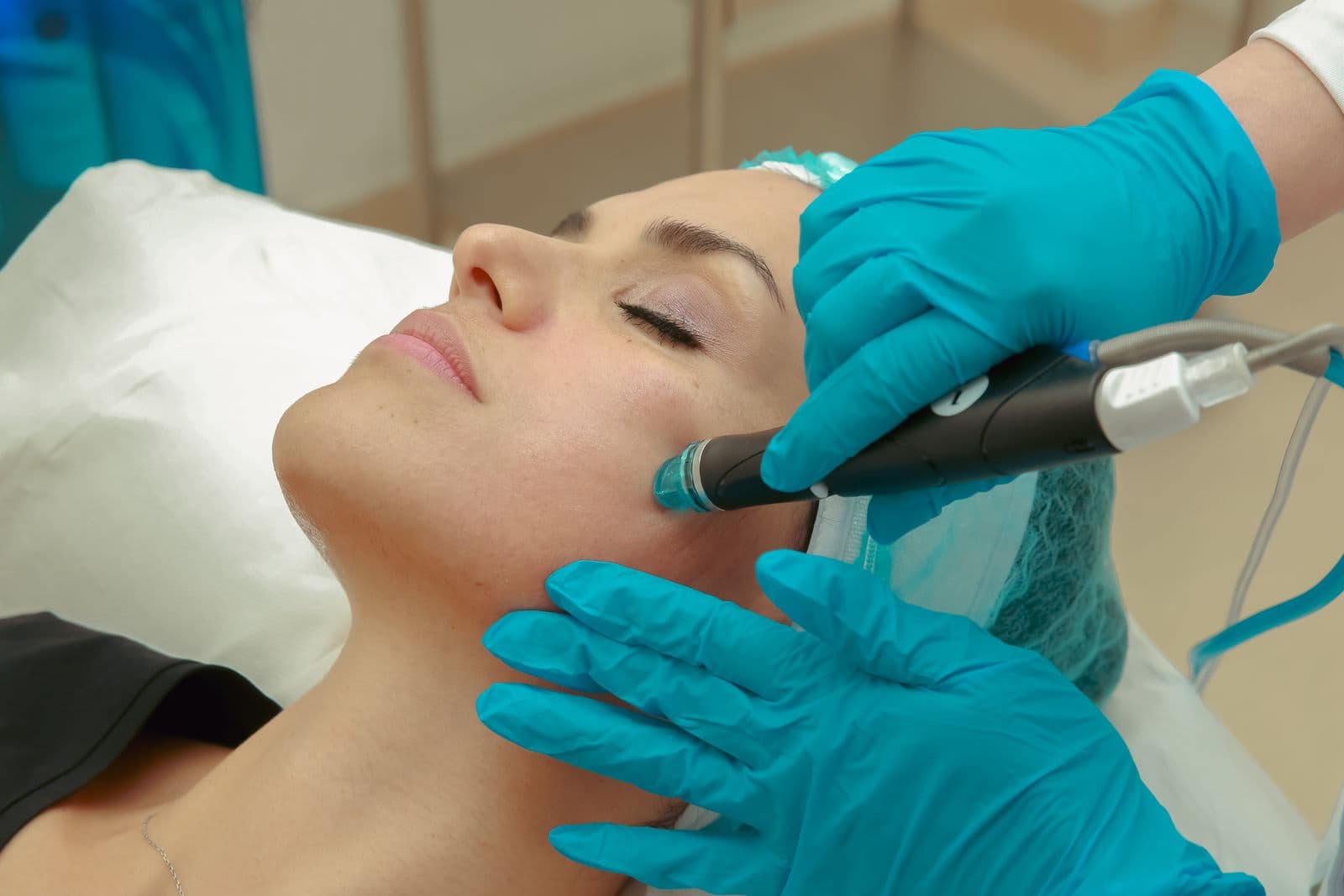
A chemical peel applies a solution that removes selected surface layers of skin. The depth can range from superficial to deep, and that difference changes the purpose, sensation, risk, and recovery. The Mayo Clinic's chemical peel overview explains that a light peel removes the epidermis, while medium and deep peels reach farther into the skin and require longer healing.
Two appointments called a peel can involve very different treatments and recovery times. A light resurfacing treatment may be discussed for dryness, uneven tone, acne, or fine surface lines. Deeper peels belong in a medical setting and carry a different risk profile. Mayo Clinic also notes that peels cannot remove deep scars or wrinkles or tighten sagging skin. A spa peel should never be treated as a substitute for diagnosing a rash, changing lesion, severe acne, or a pigment condition.
Mosaic's specialty treatment menu describes the Ultimate Hydrating Peel as a $265 professional resurfacing and hydration treatment for dry, dehydrated, or dull skin. The public menu does not give you enough detail to self-select a strength. Ask which ingredients will be used, whether the treatment is considered superficial, how your current products affect the plan, and what visible recovery is typical for that exact protocol.
Choose the peel that fits your concern, skin history, and available recovery time rather than assuming deeper is better.
Who should get assessed before booking a peel?
A skin assessment should come before any professional peel, especially when your medical or treatment history could affect the plan. Tell the provider about prescription and nonprescription acne products, retinoids, antibiotics, recent cosmetic procedures, allergies, pregnancy, active irritation, frequent cold sores, and any history of difficult scarring or pigment changes.
The American Academy of Dermatology's preparation guidance tells patients to disclose current and recent medicines, isotretinoin use, cold sores, easy scarring, supplements, surgeries, and prior cosmetic treatments. It also recommends asking about expected results, side effects, downtime, complication risk, and the practitioner's experience with your skin colouring.
This conversation is especially important for darker skin tones and anyone who has developed lingering dark or light marks after irritation. The AAD's chemical peel FAQ says people with skin of colour can have peels, but warns that inadequate experience with darker skin tones can lead to permanent pigment problems. Ask how much experience the practitioner has with your skin colouring before deciding whether the peel is appropriate.
Postpone the appointment if the treatment area is sunburned, cracked, infected, or reacting to a new product. A persistent rash, active infection, suspicious spot, or severe acne needs appropriate medical assessment. If you are unsure whether a peel, a gentler facial, or no treatment is the sensible next step, start with a consultation.
How should you prepare for a chemical peel?
Because formulas and depths differ, follow the preparation plan from the person performing your treatment rather than copying a routine from a product video. Ask for the instructions in writing so the timing is clear.
Bring a complete list of facial products and medicines. Include retinol or prescription retinoids, exfoliating acids, benzoyl peroxide, topical antibiotics, scrubs, and anything that has recently caused stinging or peeling. Do not stop a prescription medication unless the prescribing clinician tells you to. The provider may change the appointment timing or the treatment instead.
Mayo Clinic says a clinician may review medical history, examine skin tone and thickness, and discuss the expected result, treatment count, and healing time. Its preparation guidance also notes that some patients may receive an antiviral, retinoid, or pigment-related plan. It advises avoiding unprotected sun exposure and lists facial scrubs, masks, depilatories, electrolysis, and certain hair services among the things a doctor may ask a patient to avoid shortly before a peel. Those are examples, not a universal checklist for Mosaic's protocol.
Keep your routine familiar during the week before treatment. Avoid strong home peels, new actives, waxing the treatment area, and excess sun exposure. If you are planning around an event, leave enough time to learn how your skin responds before booking the final appointment.
Confirm the practical details too: the $265 price, appointment length, expected sensation, likely visible peeling, when makeup can be used, and whom to call if the reaction looks different from what was discussed.
What should you expect during and after the appointment?
A typical peel begins with cleansing and protection of sensitive areas. The solution is applied for a controlled period, then removed or neutralized according to the product. Mayo Clinic says a light peel may cause mild stinging while the solution is on the skin. Medium and deep procedures can involve more discomfort and much more involved care.
Temporary redness, tightness, irritation, dryness, or swelling can occur after a peel, but the severity and duration vary considerably. According to the AAD, a refreshing or lunchtime peel may heal in 1 to 7 days, with possible scaling for 3 to 7 days after redness settles. Medium peels may take 7 to 14 days, while deep peels require longer recovery and medical follow-up. Those published ranges describe dermatologist-performed peel categories. They do not predict your exact response to Mosaic's Ultimate Hydrating Peel.
Before leaving Mosaic, ask what is normal later that day, the next morning, and over the following week. Ask whether the provider normally expects visible flaking with this protocol or whether it is only a possibility. Get specific instructions for cleansing, moisturizing, sunscreen, exercise, heat, swimming, makeup, and restarting active products.
Do not compare your face with dramatic peel videos online. A hydrating treatment may be designed around a gentler response, and visible shedding is not proof that a peel "worked." Your provider should judge success against the agreed cosmetic goal and your skin's tolerance, not the amount of skin that flakes.
What is safe chemical peel aftercare?
Use the aftercare supplied for your exact treatment. For the first few days, stick to gentle cleansing, the recommended moisturizer, and careful sun protection. Leave any peeling skin alone. Do not add a scrub or acid because flaking feels uneven. Pulling loose skin can injure skin that is still healing.
The AAD advises using moisturizer as directed and contacting a dermatologist if treated skin burns, itches, or swells. It warns that rubbing, scratching, picking, early makeup use, poor wound care, and unprotected sun exposure can raise infection or scarring risk. Mayo Clinic likewise advises following directions for cleansing, moisturizing, protective ointment, and sun care while avoiding picking, rubbing, or scratching.
For everyday sun protection, Health Canada recommends broad-spectrum SPF 30 or higher, applied generously at least 15 minutes before going outside and reapplied at least every 2 hours during exposure. Reapply more often after sweating, swimming, or towelling off. Your peel provider may give stricter instructions while the skin heals.
Hold off on retinoids, exfoliating acids, scrubs, cleansing brushes, and other irritating products until the provider's restart date. Ask before using makeup if the skin remains raw, cracked, swollen, or actively peeling. If pain, blistering, marked swelling, spreading redness, drainage, eye symptoms, fever, or a rapidly worsening reaction develops, contact the provider promptly and seek appropriate medical care.
How do you decide if Mosaic's hydrating peel is worth it?
Be clear about what you want the treatment to improve. Mosaic's Ultimate Hydrating Peel may be worth discussing if your skin feels dry, looks dull, and has tolerated professional exfoliation before. If your main concern is an active skin disease, a deep scar, a changing spot, severe acne, or significant laxity, a cosmetic hydrating peel may not match the problem.
It is also worth asking whether a less intensive treatment could meet the same goal. Mosaic's facial menu includes a $30 Skin Analysis, $90 hydration and exfoliation options, a $180 Microfacial, and a $280 Full Package. The medical aesthetics overview can help you see the broader menu, but price alone does not tell you which service is safer or more useful for your skin.
Ask what improvement is realistic after 1 appointment and whether a series is being suggested. The AAD notes that some light peels are repeated, while Mayo Clinic says results from light peels are subtle and may increase with repeat treatments. Neither source says every client needs a package. Before agreeing to a series, make sure you understand the formula, treatment goal, likely recovery, total cost, and the improvement you should reasonably expect.
A useful consultation should leave room for "not now" or "choose the gentler facial." If the recommendation still feels unclear, use Mosaic's contact page to ask about the assessment and aftercare before paying for the appointment.
Final thoughts
Recovery from a chemical peel depends on its depth and formula, your skin condition, the products you use, and the provider's experience. Mosaic's Ultimate Hydrating Peel costs $265 and is positioned for dry, dehydrated, or dull skin. The assessment is where you confirm whether it suits your skin and how the following week is likely to look.
Bring a list of your products and medications, including any history of cold sores, pigment changes, or scarring. Get the preparation and aftercare plan in writing, leave peeling skin alone, and protect healing skin from the sun. To discuss timing and suitability with Mosaic, book a consultation or call (613) 558-1697.
This guide provides general cosmetic skin-care information and does not diagnose a condition or replace individualized medical advice. Peel type, eligibility, preparation, and aftercare vary. Seek qualified medical care for persistent, severe, infected, or rapidly changing skin concerns.
Frequently asked questions
- How much does a chemical peel cost in Ottawa?
- Mosaic lists the Ultimate Hydrating Peel at $265. Ottawa prices vary because the name "chemical peel" can refer to different products, depths, appointment settings, and levels of follow-up. Confirm what the price includes, whether an assessment is separate, and whether a series is being recommended. Ask for the total expected cost before booking.
- How long does your face peel after a chemical peel?
- It depends on the peel depth and your skin's response. The AAD says a light refreshing peel may heal in 1 to 7 days and may scale for 3 to 7 days, while medium and deep peels take longer. Those ranges do not guarantee how Mosaic's hydrating protocol will look on you. Ask for the usual day-by-day recovery for the exact product and strength being considered.
- Can I wear makeup after a chemical peel?
- Do not assume makeup is safe the same day. The AAD says makeup timing varies by peel depth, and Mayo Clinic says it is often possible the next day after a light peel. Follow Mosaic's specific instructions and wait if the skin is raw, cracked, swollen, or actively irritated. Makeup should never be used to hide a worsening reaction instead of seeking advice.
- Should I stop retinol before a chemical peel?
- Tell the provider the exact retinol or prescription retinoid, its strength, and how often you use it. Some peel plans require changes beforehand, but the timing is not universal. Do not stop a prescription because of a generic online checklist; ask the prescribing clinician and the treatment provider. Bring a photo of the label if you do not know the product strength.
- Can I get a chemical peel before a wedding?
- Yes, but do not test an unfamiliar peel immediately before the wedding. Book a trial far enough ahead to learn how your skin responds, then discuss the final appointment date with the provider. Leave room for redness, dryness, or flaking even if the treatment is expected to be gentle. Avoid stacking it with waxing, new active products, or another first-time procedure.
- What should I avoid after a chemical peel?
- Avoid picking, rubbing, scratching, tanning, and any product or activity the provider tells you to pause. Keep the routine simple and use the recommended cleanser, moisturizer, and sun protection. Wait for instructions before restarting retinoids, acids, scrubs, or cleansing tools. Contact the provider if burning, itching, swelling, blistering, or another reaction is significant or worsening.
Sources and further reading
Continue with personal guidance.
Explore the related service or speak with the Mosaic team about what fits your goals.