Microdermabrasion vs. Microneedling in Ottawa: What to Know
Compare microdermabrasion and microneedling in Ottawa by method, recovery, safety questions, Mosaic pricing, and what to ask before choosing a treatment.
In this guide
- 01What is the difference between microdermabrasion and microneedling?
- 02Which treatment is meant for a surface skin concern?
- 03When might microneedling be discussed instead?
- 04How do the risks and recovery compare?
- 05Who should ask more questions before booking?
- 06How much do microdermabrasion and microneedling cost in Ottawa?
- 07What should you ask at a skin consultation?
- 08Frequently asked questions
You open a spa menu and see microdermabrasion beside microneedling. One exfoliates the outer skin; the other uses fine needles. Both may appear under "skin treatments," but they have different purposes and recovery questions.
At Mosaic, microdermabrasion is $90 for 45 minutes and microneedling is $250 for 60 minutes. Start with what you want to change and how much recovery you can plan for. Then ask whether your skin and health history make either option appropriate.
What is the difference between microdermabrasion and microneedling?
Microdermabrasion is a form of surface exfoliation. A professional device uses fine crystals to remove some of the outermost skin cells. It does not use needles. DermNet describes microdermabrasion as a relatively superficial treatment; it may need repeat sessions and appearance changes can be modest. The DermNet overview of microdermabrasion explains the method and its limits.
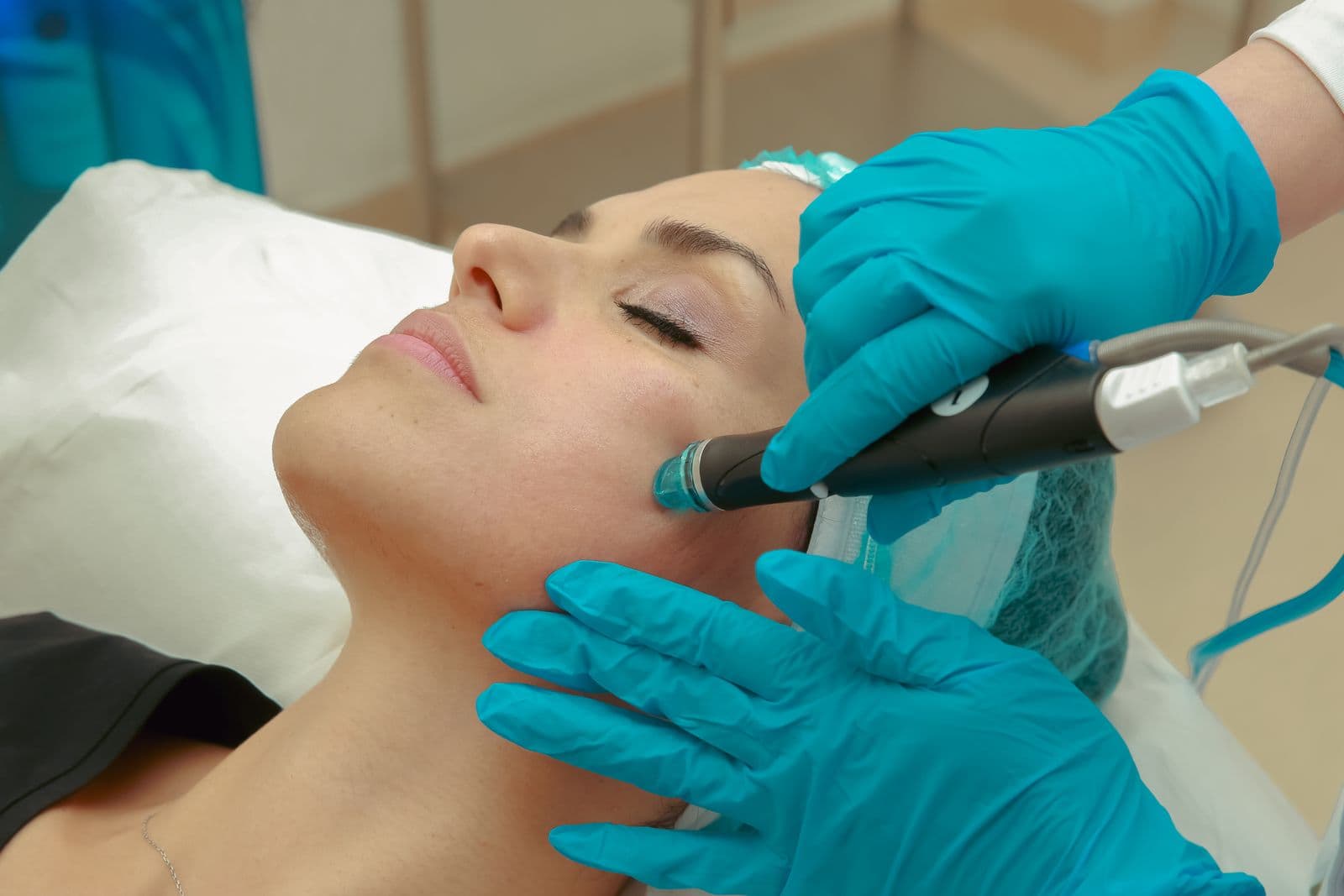
Microneedling uses a device with fine needles to make small punctures in the skin. A professional plans the treatment around the concern, treatment area, and individual. DermNet describes skin needling as a controlled injury that can stimulate a healing response. Because it goes beyond surface exfoliation, the provider should review your health history and explain the aftercare. See DermNet's skin-needling overview for the procedure and recovery considerations.
The short version: microdermabrasion works at the surface; microneedling punctures the skin. Neither guarantees a particular result. A comparison chart cannot tell you which one fits your skin, so bring your concern and medical history to the provider.
Which treatment is meant for a surface skin concern?
If your main concern is rough-feeling or dull-looking surface skin, microdermabrasion may be the treatment worth asking about. It exfoliates the upper surface and usually involves less recovery than procedures that puncture the skin. That does not mean it is suitable for every person, or that one session will solve a concern.
Mosaic lists microdermabrasion as a 45-minute, $90 facial appointment. The facial guide explains how that option differs from the Oxygen Facial, Contour Facial, Microfacial, and Full Package. If you have sensitive or reactive skin, active irritation, or recently changed your skincare routine, mention that before choosing an exfoliating treatment. A provider may suggest a simpler option or postpone the appointment.
Do not confuse microdermabrasion with dermabrasion. DermNet describes standard dermabrasion as a more intensive surgical resurfacing procedure. A spa microdermabrasion service is not the same treatment and should not be presented as a way to remove deep scars or treat a medical skin condition.
When might microneedling be discussed instead?
Microneedling may come up when the concern is the appearance of acne scars, certain wrinkles, or uneven texture. Because it punctures the skin, the provider should explain its possible benefits, limits, risks, and recovery for your situation. It is not automatically the next step after a facial.
The U.S. Food and Drug Administration says some microneedling devices have been authorized for specific appearance-related indications, including facial acne scars and wrinkles, but those authorizations apply to specific devices, uses, and treatment areas. The FDA says its authorized devices are not for delivery of cosmetics or other topical products into the skin. Read the agency's microneedling device guidance before relying on broad claims about a device or add-on.
A home dermaroller is a separate question from an in-clinic procedure. The FDA distinguishes some products that do not penetrate living skin from microneedling devices that puncture the skin. A clinician-facing Dermatology Times article published September 26, 2026 notes that consumer rollers have not been studied comparably to professional treatments for acne scars. That article is commentary, not a clinical trial or consumer guideline. Do not assume an at-home device reproduces a clinic procedure.
Mosaic lists its microneedling service at $250 for a 60-minute session. That price does not establish whether you are a candidate or how many sessions you might need. Ask what device will be used, who performs the procedure, what training they have, what will be applied during the treatment, and what the plan is if your skin reacts. Mosaic's microneedling service page has the current local service details. If you are still comparing options, you can book a skin consultation before selecting a treatment.
How do the risks and recovery compare?
Microdermabrasion can leave skin temporarily red, tender, or irritated. DermNet notes that visible improvement may be limited and that several sessions may be needed. If your skin is inflamed, sunburned, broken, or reacting to products, get advice before booking any exfoliating procedure.
Microneedling has a broader range of possible short-term effects because it punctures the skin. The FDA lists redness, tightness, dryness, peeling, discomfort, and bleeding among possible effects, with infection and pigment changes among less common risks. Outcomes and recovery vary; do not assume that a typical recovery estimate guarantees your skin will be ready for work or an event on a particular day. Review the FDA's patient safety advice and ask how the provider handles device cleaning and single-use cartridges.
Radiofrequency microneedling is different from standard microneedling because it combines needles with heat. Health Canada's January 2026 safety brief notes that RF microneedling devices licensed by Health Canada are Class III medical devices and summarizes potential serious risks reported with certain uses. This is not the same procedure as ordinary microneedling, and it does not mean every microneedling treatment has those risks. If a clinic recommends RF, ask exactly which device and procedure they mean. Read Health Canada's January 2026 safety brief and the FDA's RF microneedling communication for the specific warning.
Who should ask more questions before booking?
Tell the provider about active skin irritation or infection, a history of cold sores or raised scars, prescription skin medication, blood-thinning medication, allergies, and recent procedures. These details can change whether a treatment is appropriate or whether a clinician should advise you first. Do not stop a prescribed medication because a spa article or social post says to.
The FDA says microneedling may not be suitable for people with certain conditions or medication histories, including active skin infection, a history of keloid scars, some immune or bleeding concerns, and recent isotretinoin use. Its list is a prompt for a conversation, not a self-diagnosis checklist. When in doubt, ask the treating provider and your prescribing healthcare professional.
If pigmentation is your concern, be particularly cautious about assuming that a procedure is harmless or appropriate for melasma. DermNet says microneedling carries a high risk of melasma relapse and can make the condition more resistant to treatment, so it requires expert use. Read its melasma treatment guidance, and ask a qualified healthcare professional to assess persistent or changing pigment before cosmetic treatment.
How much do microdermabrasion and microneedling cost in Ottawa?
Mosaic lists microdermabrasion at $90 for 45 minutes and microneedling at $250 for 60 minutes. Those appointments are different procedures, not matching outcomes. Before booking, ask what each price covers and whether a consultation or follow-up adds cost.
DermNet notes that microdermabrasion may require repeat visits and that visible changes can be modest. A microneedling plan depends on your concern and assessment. Ask the clinic to explain the likely total cost and why it recommends that plan; a single visit price cannot tell you what to expect from the full course.
What should you ask at a skin consultation?
Start with the concern you want to address, how soon you need to look recovered, and what skincare or prescription products you currently use. Then ask what the treatment actually does, what it cannot do, what reactions are common, and when you should contact someone if your skin worsens.
For microneedling, ask which device is used, what training the provider has, whether the needle cartridge is new for your session, and what products will be applied during or immediately after treatment. The FDA specifically advises patients to choose a trained provider and ask about cleaning and cartridge reuse. For microdermabrasion, ask what kind of device or tip is used and whether exfoliation is appropriate for your current skin condition.
If you want help comparing Mosaic's options, book a consultation before selecting a treatment. You can also review the Ottawa facial treatment guide and microneedling preparation and aftercare guide. A clear answer to your questions is more useful than a promise of dramatic results.
Final thoughts
Microdermabrasion exfoliates the surface; microneedling punctures the skin and calls for a different safety and recovery discussion. If you are considering Mosaic's $90 microdermabrasion facial or $250 microneedling session, bring your skin goal and health history to the conversation. Call (613) 558-1697 or use the online consultation form. If you think the concern may be a skin condition, speak with a qualified healthcare professional before booking.
This article is general information, not medical advice or a diagnosis. Treatment suitability, device authorization, and results depend on the individual and the specific procedure. Consult a qualified healthcare professional about medical concerns.
Frequently asked questions
- Is microdermabrasion or microneedling better for acne scars?
- They are different procedures, and neither is right for everyone with acne scars. Microdermabrasion exfoliates the skin surface, while microneedling creates small punctures and may be discussed for certain scar concerns. The type of scar, active acne, skin history, and treatment risks should be assessed by a qualified provider. Ask for an individual consultation rather than choosing from a general comparison.
- Does microdermabrasion hurt?
- Microdermabrasion is usually described as a surface exfoliation treatment, but the sensation depends on the device and your skin. Temporary redness, tenderness, or irritation can occur. Tell the provider if your skin is sensitive or currently inflamed before the treatment begins. Ask them to explain what sensations are expected and when they would stop.
- How long is the downtime after microneedling?
- Recovery varies with the device, treatment, skin, and individual response. Redness, dryness, tightness, peeling, discomfort, or pinpoint bleeding may occur, and the FDA notes that effects can last from a short time to longer. Do not schedule around a promised recovery deadline. Ask your provider what to expect for your treatment and what symptoms require follow-up.
- How much does microneedling cost in Ottawa?
- Mosaic lists microneedling at $250 for a 60-minute session. The price alone does not tell you whether the procedure suits your concern or whether more than one visit may be discussed. Confirm current pricing and ask what is included before booking. Your provider should explain the treatment plan after reviewing your goals and history.
- Can I get microneedling if I have melasma or sensitive skin?
- Do not assume microneedling is suitable just because it is offered as a cosmetic service. DermNet notes that microneedling can carry a risk of melasma relapse or worsening and requires expert use. Sensitive or reactive skin also needs an individual assessment. Discuss the condition with a qualified healthcare professional before booking.
Sources and further reading
- DermNet: Dermabrasion and microdermabrasion
- DermNet: Skin needling
- U.S. FDA: Microneedling Devices
- Dermatology Times: Social Media Mythbusters: At-Home Dermarollers (September 26, 2026)
- Health Canada: Health Product InfoWatch, January 2026
- U.S. FDA: Potential Risks with Certain Uses of RF Microneedling
- DermNet: Melasma
Continue with personal guidance.
Explore the related service or speak with the Mosaic team about what fits your goals.