Hair Growth Supplements in Ottawa: What to Know Before You Buy
Before buying hair-growth supplements in Ottawa, learn what biotin can and cannot do, when hair loss needs assessment, and where a head spa fits.
In this guide
- 01Why a hair supplement cannot diagnose hair loss
- 02Does biotin help with hair growth?
- 03What about collagen, iron, vitamin D, zinc, and multi-ingredient blends?
- 04Can a Japanese head spa or salon care make hair grow back?
- 05Which hair-loss signs should you get checked instead of treating at home?
- 06How to make a sensible plan before buying another bottle
- 07Frequently asked questions
A bottle that promises thicker, fuller hair is easy to buy when you are noticing more strands in the shower. The harder part is figuring out what it can realistically change. Hair shedding can follow illness, stress, weight loss, medication changes, thyroid problems, iron deficiency, pregnancy, a scalp condition, genetics, and several other causes. A supplement label cannot sort those out for you.
That does not mean nutrition is irrelevant. It means the useful first question is not "Which hair vitamin is best?" It is "What is changing, and do I need a proper assessment before I spend money?" This Ottawa guide explains how to read hair-growth supplement claims, why biotin deserves extra caution, and when salon care is separate from medical care.
Why a hair supplement cannot diagnose hair loss
Hair changes can look similar in a mirror while coming from very different causes. Some people notice increased shedding after fever, surgery, weight loss, illness, childbirth, major stress, or a medication change. Others see a gradual widening part or thinning at the crown. Patchy loss, scale, redness, pain, broken hairs, or a scar-like area call for a different conversation again.
DermNet's overview of hair loss explains that loss can involve decreased growth, increased shedding, conversion of thicker hairs to finer hairs, hair-shaft problems, or inflammatory skin disease. It lists iron deficiency, thyroid disease, medications, infection, and inflammatory conditions among the possibilities. That is why buying a supplement first can be a detour. The right next step depends on the pattern and your history.
A good appointment gives a clinician room to ask when the change began, whether it is shedding or breakage, which medicines and supplements you take, whether there has been illness or rapid weight change, and whether your scalp is itchy, sore, flaky, or inflamed. They may decide that no testing is needed, or that an examination and targeted tests make sense. A blog cannot make that call.
Take clear photos in the same lighting if you are trying to track change. A photo of the part, hairline, or area of concern once a month is more useful than comparing today with a remembered version of last year. Bring the photos and every supplement bottle to the appointment.
Does biotin help with hair growth?
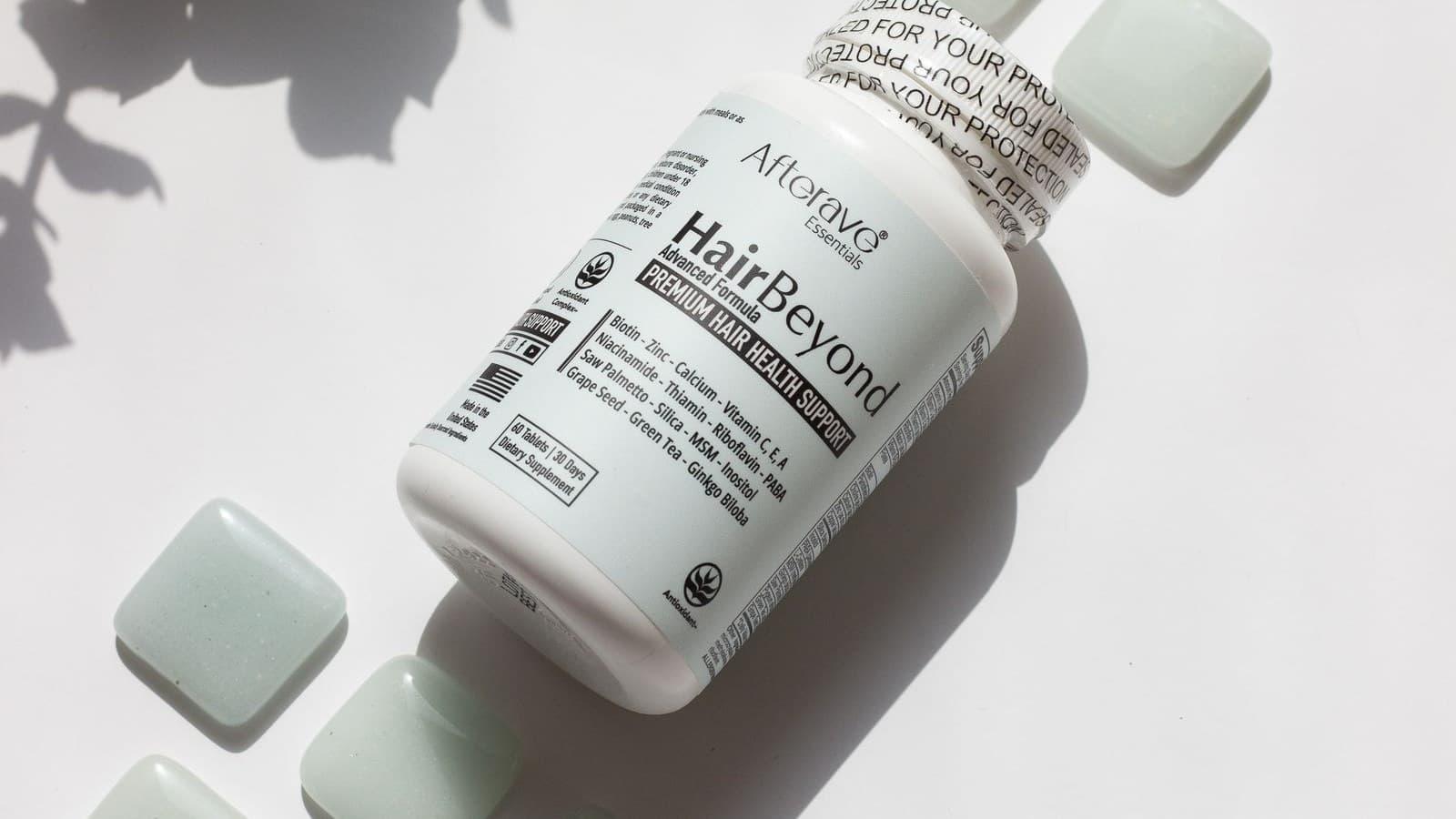
Biotin is often the first ingredient on a hair, skin, and nails label. It is a B vitamin, and people who have a confirmed deficiency need appropriate medical advice. That fact does not prove that large doses will improve hair growth for people who are not deficient.
The American Academy of Dermatology's supplement guidance says biotin deficiency is rare and advises that supplements be taken only when a deficiency is present. The same guidance says high doses can cause inaccurate laboratory results, including thyroid tests. Cleveland Clinic's August 18, 2026 dermatologist interview reached a similarly cautious conclusion: the dermatologist said studies did not show a statistically significant difference in hair regrowth between people who took biotin and people who did not when they were not deficient.
The practical takeaway is less exciting than a before-and-after ad. Do not assume a dose that is much higher than your usual dietary intake is harmless or necessary. Tell your pharmacist, physician, nurse practitioner, and laboratory team about any biotin product you use, especially before blood work. Do not stop or start a prescribed treatment because a supplement label claims it is a natural alternative.
If you eat a varied diet and do not have a diagnosed deficiency, a high-dose biotin bottle is unlikely to answer why your hair is changing. Put the label in your bag for a consultation rather than treating it as a diagnosis.
What about collagen, iron, vitamin D, zinc, and multi-ingredient blends?
These ingredients are often grouped together as though they do the same job. They do not. Iron, vitamin D, zinc, and other nutrients have specific roles in the body, and a clinician may recommend treatment when testing identifies a deficiency. Taking more than you need is not the same as correcting a deficiency, and it can complicate a medication plan or create new side effects.
Collagen deserves the same careful reading. The American Academy of Dermatology says collagen supplements may improve skin appearance, joint pain, and possibly hair and nail strength, but more research is needed. That is not a promise that a collagen powder will reverse genetic pattern hair loss, treat a scalp condition, or stop a sudden shedding episode.
Multi-ingredient products make the decision harder because they can contain several vitamins, botanicals, and minerals at once. You may not know which ingredient you are reacting to, duplicating through a multivitamin, or taking alongside medication. The AAD advises treating supplements more like medications by weighing benefits and risks. That is sensible advice for a product marketed as beauty care as well as for one sold beside the pharmacy counter.
If a clinician has recommended a supplement for a documented reason, follow the dose and follow-up plan they give you. If you are choosing a product on your own, read the entire label, not only the claim on the front. A product is not proven to work simply because it includes familiar nutrients or a celebrity testimonial.
Can a Japanese head spa or salon care make hair grow back?
A Japanese head spa can be a relaxing scalp-care service. At Mosaic, the $180 treatment includes a consultation, scalp analysis, deep cleansing, exfoliation, head massage, a mini facial, neck and shoulder massage, and steam. It can leave the scalp and hair feeling freshly cleansed and give you time to unwind. It is not a medical treatment for hair loss, and it should not be sold as one.
This distinction protects you from a frustrating cycle of buying treatments that promise more than they can deliver. A spa visit cannot diagnose thyroid disease, replace iron when it is low, treat an inflammatory scalp condition, or guarantee regrowth. Persistent scalp symptoms or hair loss deserve assessment by a qualified healthcare professional.
Salon care still has a place when your goal is comfort, routine, and cosmetic hair care. Gentle cleansing and a conversation about your usual products may be useful if buildup or styling habits are bothering you. You can read Mosaic's first-visit Japanese head spa guide for the appointment sequence and its limits. If you want a service focused on relaxation and scalp care rather than a medical claim, review the Japanese head spa service before booking.
Tell the team about tenderness, an active rash, open skin, a known product sensitivity, or a recent medical recommendation. Rescheduling or asking a clinician first may be the better call.
Which hair-loss signs should you get checked instead of treating at home?
Do not wait for a supplement to work if you have sudden or patchy loss, a painful or burning scalp, pus or crusting, a spreading rash, obvious breakage, or an area where the skin looks scarred. Those signs need a qualified professional to see the scalp rather than a trial-and-error routine at home.
It is also worth booking an assessment when shedding is persistent, rapidly worsening, or upsetting you. Hair loss can be emotionally heavy even when it is temporary. You do not need to prove that it is severe enough before asking for help. The goal is a clear explanation and a plan that matches the cause, not an online diagnosis.
Hair colouring and heat styling can affect the hair shaft, which is different from treating the follicle. If you are also dealing with breakage, be honest about bleach, box dye, perms, smoothing treatments, extensions, and tight styles. Mosaic's hair colour correction guide explains why a full colour history matters when hair has been chemically processed. A colour consultation can help with cosmetic planning, but it does not replace medical assessment for unexplained shedding or scalp symptoms.
For urgent symptoms or a severe reaction, seek prompt medical care. For a non-urgent concern, a primary-care clinician, dermatologist, or another qualified provider can help you decide what needs investigation.
How to make a sensible plan before buying another bottle
Start by writing down what has changed. Include the start date, whether you see shedding or breakage, recent illness, major stress, pregnancy or postpartum changes, diet changes, medications, supplements, and scalp symptoms. Photograph the area in consistent light. Those details give an assessment more value than a vague description of "hair loss."
Next, pause the urge to stack products. Taking a multivitamin, hair gummy, collagen powder, and separate biotin product can make it difficult to know what you are taking and whether ingredients overlap. Bring the labels to a pharmacist or clinician. If they recommend testing or a treatment, ask what result they expect, how long it should take, and what would prompt follow-up.
Then separate your goals. If your goal is relaxation, cleaner-feeling hair, or a break from your routine, a wellness service can fit alongside medical advice. If your goal is to understand unexplained shedding or a changing scalp, assessment comes first. Mosaic's consultation page is available for questions about salon and wellness services, and the team can explain what the Japanese head spa includes.
The short version: use supplements when there is a clear reason, keep a full list of what you take, and do not let a marketing claim delay a conversation about a real change in your hair or scalp.
Final thoughts
Hair-growth supplements make a simple promise to people facing a complicated problem. Biotin, collagen, vitamins, and blends may have a role in a plan tailored to a diagnosed need, but they do not diagnose the reason for thinning or shedding. High-dose biotin can also interfere with some lab tests, so your care team needs to know about it.
If your hair or scalp has changed, start with an assessment before building a supplement routine. For a separate wellness appointment focused on cleansing, scalp comfort, and relaxation, Mosaic's Japanese head spa is $180. Contact Mosaic to ask about the service or book a consultation, and seek qualified medical advice for hair loss or scalp symptoms that need diagnosis.
Frequently asked questions
- Should I take biotin for hair loss?
- Do not assume biotin is the right answer for hair loss. The American Academy of Dermatology says biotin deficiency is rare and recommends supplements only when a deficiency is present. High doses can also interfere with some laboratory tests. Bring the bottle to a pharmacist or qualified healthcare professional and ask whether it fits your situation before starting or increasing it.
- Can hair vitamins make thinning hair grow back?
- A vitamin can help when a documented nutritional deficiency is part of the cause, but it cannot treat every form of thinning or shedding. Hair changes can follow illness, stress, medication changes, thyroid problems, inflammatory scalp conditions, genetics, and other causes. An assessment can identify whether a supplement is relevant instead of leaving you to test products one at a time.
- Can a Japanese head spa treat hair loss?
- No. A Japanese head spa is a wellness and scalp-care service, not a treatment for hair loss or scalp disease. Mosaic's treatment includes cleansing, exfoliation, massage, steam, and relaxation. If you have unexplained shedding, patchy loss, pain, rash, or scalp changes, seek advice from a qualified healthcare professional first.
- What should I do if I am suddenly shedding more hair?
- Make a note of when the shedding began and any recent illness, stress, weight change, medication change, pregnancy or postpartum change, diet change, and scalp symptoms. Take clear photos in consistent light and arrange an assessment with a qualified healthcare professional. Sudden, patchy, painful, or rapidly worsening hair loss should not be managed only with an over-the-counter supplement.
- Can I take collagen and biotin together for hair growth?
- Taking them together does not make either product more likely to solve unexplained hair loss. Multi-product routines can duplicate ingredients and make it harder to identify side effects or interactions. Read every label, include all products in your medication list, and ask a pharmacist or clinician whether there is a documented reason to take them.
Sources and further reading
Continue with personal guidance.
Explore the related service or speak with the Mosaic team about what fits your goals.