Hair Extensions in Ottawa: What to Ask at Your Consultation
Planning hair extensions in Ottawa? Prepare for your consultation with questions about cost, colour matching, maintenance, removal, and scalp comfort.
In this guide
- 01What happens at a hair extensions consultation?
- 02What should I bring, and should I wash my hair first?
- 03How much do hair extensions cost in Ottawa?
- 04Are extensions suitable for fine, thinning, or damaged hair?
- 05How often will I need maintenance and removal?
- 06What will washing and styling involve at home?
- 07What if my extensions hurt after installation?
- 08Frequently asked questions
You have saved a photo of longer hair, but the photo cannot tell you what the appointment will cost or how the extra hair will feel on a workday. Before buying a set or booking an installation, start with a hair extensions consultation. Bring your goal, your colour history, and an honest picture of the upkeep you can manage.
For hair extensions in Ottawa, Mosaic lists both pricing and appointment duration by consultation. That means you need an individual quote, not a price borrowed from another salon. This guide explains what to bring, what to ask about maintenance and removal, and when a scalp concern needs healthcare advice before a cosmetic appointment.
What happens at a hair extensions consultation?
Use the consultation to decide whether extensions suit your hair and your routine before committing to the installation. Mosaic's hair extensions service lists colour matching and a consultation-based plan. Confirm the available methods directly with the team; the menu does not name a particular attachment system or brand.
Describe the result you want in everyday terms. You might want fuller ends without much added length, or enough length for a particular style. Bring reference photos, but also show how you normally wear your hair. Ask to discuss the proposed look with your hair down and in the loose style you use for work. Mention whether you usually air-dry or spend time styling.
Ask the stylist to explain the recommendation: why this amount of hair, why this length, and what would make them advise against proceeding? The American Academy of Dermatology recommends lightweight extensions that do not pull. Treat that as a reason to discuss weight and tension, not as a guarantee that a particular method is harmless.
You do not need to choose the longest option available. If you only want a fuller-looking perimeter, make that your starting request. Leave with a clear recommendation or a next step, rather than feeling obliged to book before your questions are answered.
What should I bring, and should I wash my hair first?
Bring photos of your current hair in ordinary daylight, your reference images, and the names of products or previous extension systems if you know them. Write down recent colour, bleach, relaxer, perm, and smoothing appointments. Include home products and anything that caused irritation. If you cannot remember a formula, say so instead of guessing.
Ask Mosaic how to arrive for the consultation and, separately, for installation. Those appointments may have different preparation instructions. The AAD's extension guidance recommends starting with clean natural hair free of product buildup and maintaining its condition. It does not establish a universal last-wash time for every attachment system, so get the specific instructions before the appointment.
Do not buy hair in advance unless the stylist confirms they can work with that exact product. Ask who supplies it, how the colour selection works, and what happens if the match is not right when it arrives. If you are planning a colour change, discuss the sequence before ordering. Our colour correction guide explains which parts of your colour history to disclose.
Finally, bring your calendar. A wedding, holiday, swimming routine, or work trip can affect whether you can attend follow-up visits. Tell the team which dates you cannot change instead of assuming you can squeeze maintenance in later.
How much do hair extensions cost in Ottawa?
Mosaic does not publish a flat installation price for hair extensions. Its menu says pricing is by consultation. Ask for a written quote that states the proposed service and what the total includes. A number without those details is hard to compare with another quote.
Separate the purchase of the hair from the work involved. Ask whether the quote includes colour matching, installation, blending or cutting, and finishing. Then ask about future maintenance, removal, replacement hair, and any products the recommended method requires. These are questions to settle with the salon, not charges you should assume Mosaic automatically adds.
Confirm whether tax is included, whether a deposit is required, and what cancellation or hair-ordering terms apply before paying. The consultation should also clarify whether you need a separate colour appointment. If the written estimate changes after assessment, ask what changed in the plan.
A useful comparison is the cost of getting the look and keeping it wearable, rather than installation alone. Ask for the expected follow-up schedule and the current price of each visit. If that commitment is too much, say so. You can review Mosaic's hair services with the team and discuss a cut or styling option instead. There is no need to stretch your budget around an upkeep plan you already know will be difficult.
Are extensions suitable for fine, thinning, or damaged hair?
Fine hair and new hair loss call for different conversations. If you are concerned about shedding, bald patches, or a changing hairline, arrange medical assessment rather than assuming extra hair will solve the underlying problem. The AAD explains that repeated pulling can cause traction alopecia, and that some hair loss can become permanent. A dermatologist can investigate the cause; a salon consultation is not a diagnosis.
Tell the stylist about breakage, previous uncomfortable extensions, and any areas where your hair seems less dense. Ask how the proposed installation avoids excessive pulling and whether a lighter or shorter look is more appropriate. Do not accept a promise that any method is safe for everyone. The AAD specifically identifies extensions and weaves among hairstyles that can cause traction alopecia when too tight, especially on relaxed hair.
If your scalp hurts, stings, or has crusts, pause the cosmetic plan and seek appropriate advice. Those are among the warning signs in the same AAD guidance. A stylist may recommend waiting, changing the proposed look, or getting healthcare advice first.
If you are unsure which appointment to request, contact Mosaic for a consultation and describe the concern before booking installation. Keep expectations clear: the conversation is about a cosmetic style and whether to proceed, not a promise to restore growth or treat hair loss.
How often will I need maintenance and removal?
Ask for a maintenance plan for the actual system the stylist proposes. Get the name of the method in writing, when the first check is due, what happens at a maintenance visit, and who should remove it. Do not turn a general online lifespan into permission to leave your own installation unchecked.
There are different questions hidden inside "How long do extensions last?" One is how long the added hair remains usable. Another is how long the current installation should stay in place. A reusable product does not mean your scalp should carry the same installation indefinitely. Ask the stylist to explain both before you pay.
The AAD advises wearing weaves or extensions for two or three months at most, then taking a break with a hairstyle without them. That is general hair-health guidance, not Mosaic's maintenance schedule or a promise that it is safe to wait that long. Your installation may need attention or removal sooner. Ask how the proposed follow-up plan accounts for breaks.
Before a trip, ask what to do if the hair slips, tangles near an attachment, or becomes uncomfortable while you are away. Save the salon's contact details and arrange the next visit before your calendar fills. Avoid experimenting with removal products or tools; ask for professional instructions for the system you actually have.
What will washing and styling involve at home?
Ask the stylist to show you the care routine, not simply name a shampoo. Request written instructions for washing, drying, brushing around attachments, bedtime care, and heat styling. Ask which products to avoid near the attachment and what to do after swimming. Mention the time you have available on wash day so the plan reflects your life.
The AAD recommends washing as often as your hair type needs and keeping the scalp clean. It also says to remove clip-in extensions before washing your natural hair. That is general education about clip-ins, not a statement that Mosaic offers them. For an installed system, follow its specific care instructions rather than treating every type alike.
For natural hair, the AAD recommends gentle detangling without pulling and limiting heat. Ask the stylist how to apply those habits to your attachments and texture. A routine for straight hair is not automatically the right routine for tight curls, and a hot-tool setting should not come from a generic social video.
Try explaining the instructions back to the stylist. If a step is unclear, ask for a demonstration. Before leaving, check that you know how to follow the routine at home and whom to contact when something feels wrong.
What if my extensions hurt after installation?
Pain is a reason to act, not proof that the installation is secure. The AAD says pain or a headache during installation means the style is too tight and advises asking the stylist to loosen the affected area. Speak up while you are in the chair.
If discomfort starts afterward, contact the stylist promptly rather than waiting for a routine maintenance visit. The AAD advises changing hairstyles immediately when they cause pain, stinging, crusts, or scalp tenting. It also identifies broken hairs at the forehead, a receding hairline, and patches of hair loss as warning signs.
Get healthcare advice for scalp symptoms or hair loss, especially if the cause is unclear. Do not cover a sore or thinning area with more extensions to hide it. Cosmetic goals can wait while you find out what is happening.
Final thoughts
A useful extensions consultation ends with a plan you can understand: the intended look, proposed method, complete quote, home care, follow-up, and removal. It should also leave room for a smaller change or for waiting if your hair or scalp needs attention.
To discuss hair extensions in Ottawa, contact Mosaic Hair Salon & Medical Spa at 2465 St Laurent Blvd or call (613)-558-1697. Bring your reference photos and hair history, and ask for consultation details before booking the installation. Confirm the current price and appointment availability directly with the team.
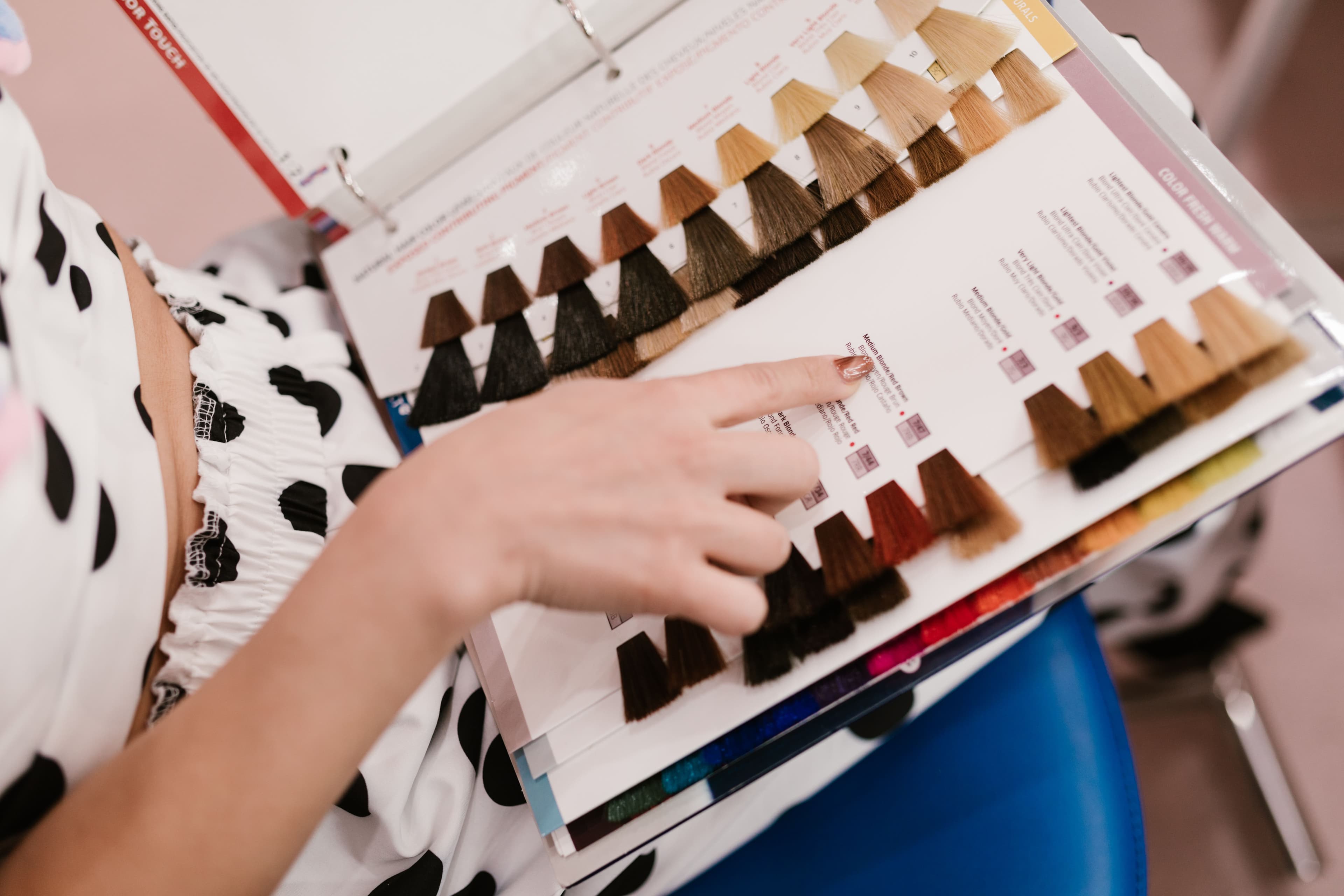
This article provides general cosmetic education, not medical diagnosis or treatment. Consult a qualified healthcare professional about scalp symptoms or hair loss. The cover is an illustrative stock photo, not a Mosaic client result or product endorsement.
Frequently asked questions
- How much do hair extensions cost at Mosaic?
- Mosaic lists hair extensions pricing by consultation rather than a fixed amount. Ask for a quote that identifies the hair and installation work included. Confirm maintenance, removal, tax, and any separate colour work before committing.
- Do I need a consultation before hair extensions?
- Mosaic lists hair extensions as a service requiring consultation. Use it to discuss the look, colour match, proposed method, maintenance, and budget. Confirm the preparation instructions and available methods directly with the team before buying hair or booking installation.
- Can I get extensions if my hair is thinning?
- New thinning or shedding deserves medical assessment before you use extensions to cover it. The AAD warns that repeated pulling can cause traction alopecia and that some hair loss can become permanent. A stylist can discuss a cosmetic option, but cannot replace a dermatologist's assessment of hair loss.
- How long can I leave hair extensions in?
- Ask for the care and removal schedule for the specific installation. The AAD generally advises wearing extensions or weaves for two or three months at most, followed by a break, but your installation may need attention sooner. Do not wait for a scheduled visit if the style hurts or your scalp develops symptoms.
- Should new hair extensions hurt?
- The AAD says pain or a headache during installation means the style is too tight. Ask the stylist to loosen the affected area and contact them promptly if discomfort starts later. Seek healthcare advice for scalp symptoms or hair loss rather than treating them as a normal adjustment.
Sources and further reading
Continue with personal guidance.
Explore the related service or speak with the Mosaic team about what fits your goals.