Balayage vs. Highlights in Ottawa: Which Fits Your Hair?
Compare balayage and highlights in Ottawa by look, grow-out, hair condition, maintenance and Mosaic pricing before your colour consultation.
In this guide
- 01What is the difference between balayage and highlights?
- 02Which gives a softer grow-out?
- 03Which look works for dark, blonde, curly, or straight hair?
- 04Is balayage less damaging than highlights?
- 05How much do balayage and highlights cost at Mosaic?
- 06How should you prepare for a colour consultation?
- 07Frequently asked questions
A client can bring the same inspiration photo to two colour appointments and leave with very different hair. One stylist may plan soft, hand-painted brightness through the mid-lengths and ends. Another may use foils from close to the root for a brighter, more even result. Both can look beautiful. They simply solve different problems.
That difference matters when you are comparing balayage and highlights in Ottawa. Mosaic lists partial highlights at $180 to $200, full highlights at $200 to $250, partial balayage at $190, and balayage with toner at $375. Before choosing by price or trend alone, think about the finish you want, your natural colour, previous colour, how often you want to return, and what your hair can reasonably handle.
What is the difference between balayage and highlights?
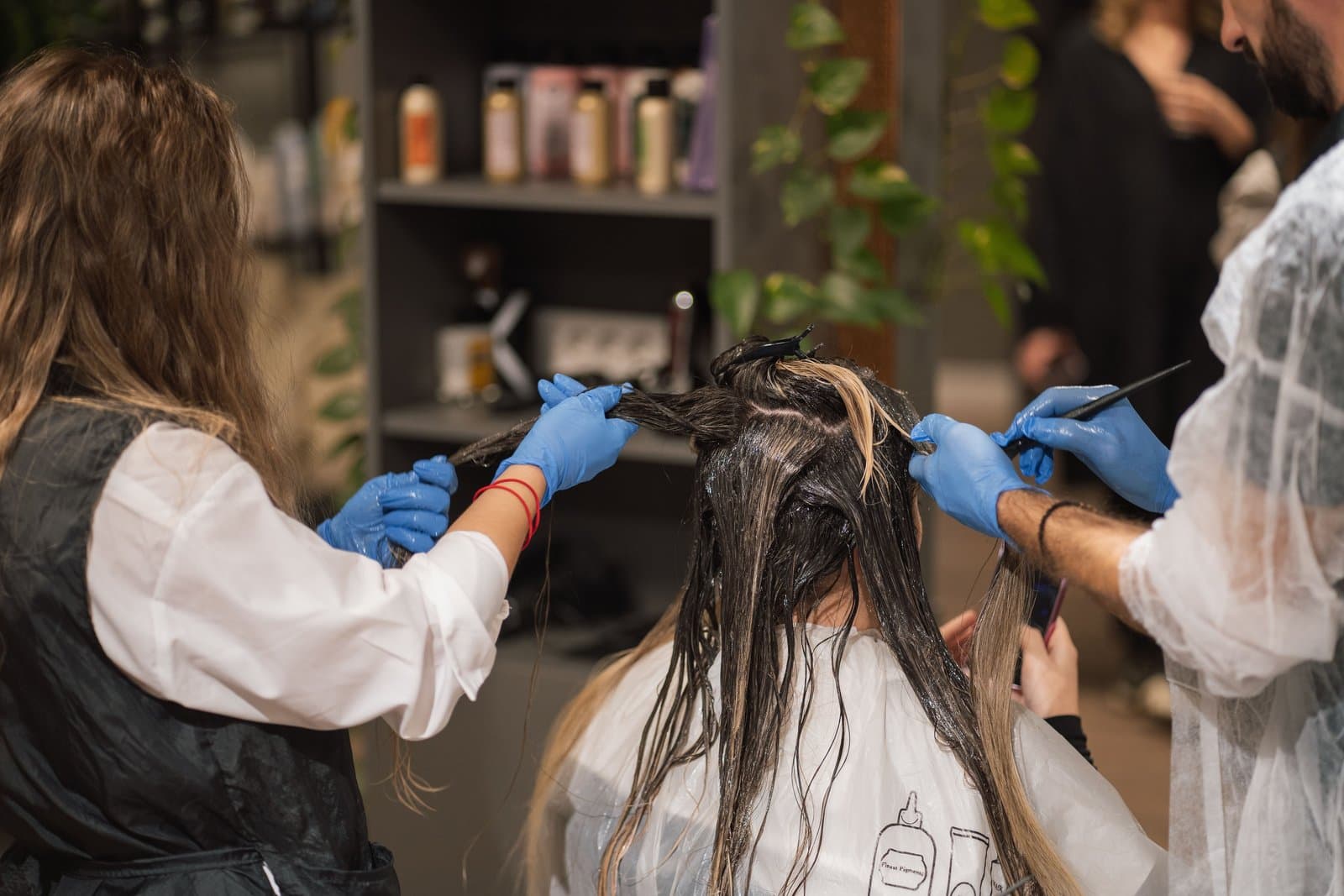
Balayage describes how a colourist places lightener or colour. The word comes from the French verb for "to sweep," and the technique typically involves painting selected sections by hand. The colour can start away from the scalp, become stronger toward the ends, and leave some natural depth between lighter pieces. The result is often blended rather than evenly striped.
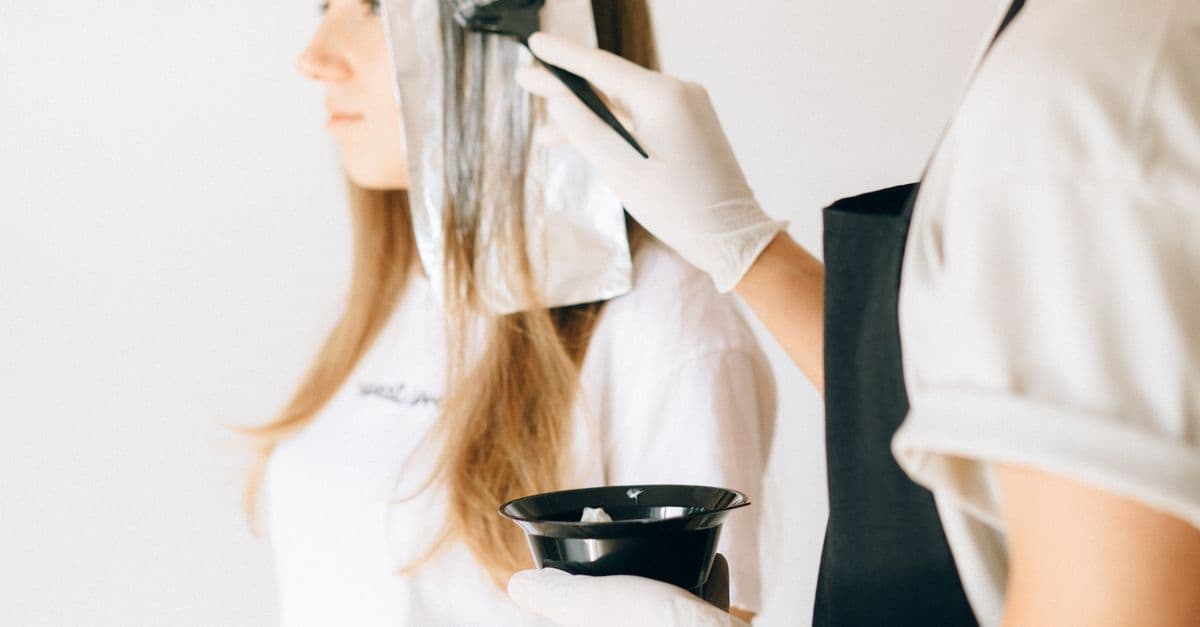
Traditional highlights are usually created by weaving sections of hair, applying colour or lightener, and isolating them in foils. Foils help the colourist control placement and saturation. They can also bring brightness closer to the scalp. Full highlights distribute lightness throughout more of the head, while partial highlights concentrate it in selected areas such as the top, crown, or face frame.
The John Frieda comparison of balayage and highlights makes the distinction plainly: balayage is a technique, not one fixed look, and traditional highlights use foil for a more structured pattern. That means the labels alone do not tell your colourist enough. A subtle face frame, a bright blonde transformation, and dimensional brunette colour may all use some form of balayage, foils, or a combination.
Photos help, but the useful conversation is about placement. Point out where you want the brightest pieces, how much natural depth you want to keep, whether you like visible contrast, and what you dislike about your current colour. Mosaic's balayage service page is a good starting point before a consultation.
Which gives a softer grow-out?
Balayage often gives a softer grow-out because the lightness can begin below the root and blend into the natural base. There is usually less of a straight line between new growth and previously lightened hair. That can suit someone who wants dimension without scheduling frequent root appointments.
Highlights can look more uniform and brighter from the root. As the hair grows, the contrast between the natural root and highlighted lengths may become visible sooner. That does not make highlights high maintenance in every case. Fine highlights, a root shadow, fewer foils, or a colour close to your natural level can all soften the transition.
Colour longevity is not a promise that one appointment will look unchanged for months. Toner can fade before the lightened pieces grow out. Sun exposure, heat styling, water, washing habits, and the starting condition of the hair can change how quickly the tone looks warmer, duller, or less polished. You may need a toner or trim before you need the entire lightening service repeated.
Choose based on the maintenance you will actually do. If you want brightness at the root and do not mind regular appointments, highlights may fit. If you prefer a blended result that can grow with less obvious demarcation, balayage may fit. If you want both, ask whether foils plus a root melt or hand-painted pieces around the face would make more sense than forcing the appointment into one label.
Which look works for dark, blonde, curly, or straight hair?
Both techniques can work across many natural colours and textures. The better question is how much lift, contrast, and visible movement you want.
On dark hair, a few levels of lift can create caramel or warm brunette dimension without aiming for pale blonde. Reaching a much lighter result may require more than one visit, especially when the hair has old permanent colour. On naturally lighter hair, highlights can create an overall brighter finish, while balayage can deepen the contrast between the base and ends. Neither technique erases the chemistry of the starting point.
Texture changes how placement reads. Curls and waves can display broad painted ribbons clearly, while very fine pieces may disappear into the movement. Straight hair can show the blend and any hard lines more readily, so sectioning and transition work matter. Density matters too. A full service on thick, long hair may require more product and time than the same label on short, fine hair.
Grey blending needs its own conversation. Highlights can soften the contrast between some grey and pigmented strands, but lightener does not restore pigment and balayage is not the same as root coverage. If covering grey at the root is the priority, the plan may include permanent or demi-permanent colour as well as highlights. Bring that goal to a colour consultation instead of assuming one technique does everything.
Is balayage less damaging than highlights?
Balayage is sometimes described as the healthier choice because it may leave more natural hair untouched and may not need to be refreshed as often. That can be true for a conservative plan. It is not a rule. A heavy balayage that repeatedly lightens the same ends can be more demanding than a small set of carefully placed highlights.
Damage risk depends on the starting condition, the amount of lift, product strength, processing time, overlap with previously lightened hair, and what happens between appointments. The American Academy of Dermatology's hair colouring guidance notes that lightening more than 3 shades requires higher volumes of peroxide and causes more damage. It also advises testing store-bought colour as directed and stopping if redness, swelling, burning, or itching develops.
Hair dye can also cause sensitivity. Health Canada's cosmetic ingredient guidance says permanent hair dye labels must warn that ingredients may irritate some people and that a patch test should be done before every use. Tell your colourist about previous reactions, scalp irritation, current skin problems near the hairline, and recent chemical services. Do not try to colour through burning, broken skin, or a known reaction.
Be honest about box dye, henna, direct dye, smoothing treatments, perms, and previous bleach. A strand test may be appropriate when the history or outcome is uncertain. Mosaic also lists colour correction and colour transformation as consultation-required services. That is the safer category when the current colour needs repair or a major change, rather than treating it like a routine hair service.
How much do balayage and highlights cost at Mosaic?
Mosaic's current menu lists partial highlights at $180 to $200 and full highlights at $200 to $250. Partial balayage is $190. Balayage including toner is $375. Custom highlights are listed at $15 per foil, and toner is $50 to $75. Colour correction and colour transformation require a consultation, with the final price to be determined.
Those prices are not interchangeable packages. A partial highlight does not cover the same amount of hair as a full balayage. Toner is included in Mosaic's listed $375 balayage service, while the highlight listings do not say the same. Hair length, density, starting colour, desired lift, and corrective work can affect the plan, time, and confirmed price.
The cheapest line on the menu is not always the least expensive routine over a year. A lower-cost service that needs to be repeated often may cost more than a blended service that you are comfortable growing out. The reverse can also be true if you enjoy regular toners, trims, or face-frame refreshes between balayage appointments.
Ask for a realistic first-visit estimate and a maintenance estimate. Include the likely toner schedule, home care, trims, and whether the goal can be reached in one session. If your inspiration photo is several levels lighter than your current hair, a staged plan is often more useful than an optimistic one-price promise.
How should you prepare for a colour consultation?
Bring 2 or 3 inspiration photos and at least 1 photo of a result you do not want. Choose examples with a similar natural base, length, density, and texture when possible. A bright studio photo of curled hair can hide how the same colour looks straight, indoors, or after several washes.
Write down your colour history for the past 2 years, including professional colour, box dye, henna, bleach, colour removers, perms, and smoothing treatments. Mention any reaction to hair dye or products. Explain how often you are willing to return and what you can manage at home. A low-maintenance request is only useful when the colourist knows whether that means 8 weeks, 4 months, or once a year to you.
Ask these practical questions: Where will the lightness start? How bright can my hair safely get today? Will the result be warm, neutral, or cool? Is toner included? What should I book next, and when? How should I style it if I usually wear it straight or curly?
After colouring, gentle care matters. The American Academy of Dermatology's healthy hair tips recommend applying shampoo mainly to the scalp, using conditioner after washing, detangling wet hair carefully with a wide-tooth comb, and limiting excessive heat. Your colourist can adjust that advice to your texture, products, and finished colour.
You can read about Mosaic's team and approach on the about page. For a personalized colour plan, use the contact page to ask what to bring and how much time to reserve.
Final thoughts
Balayage and highlights are tools, not competing promises. Balayage usually suits someone who wants hand-painted dimension and a softer transition at the root. Highlights usually suit someone who wants structured brightness, more even lightness, or colour placed close to the scalp. Many strong results use elements of both.
At Mosaic in Ottawa, partial highlights start at $180, partial balayage is $190, and the listed balayage service including toner is $375. The right comparison includes your starting colour, hair condition, desired contrast, maintenance schedule, and full service plan. Book a consultation or contact Mosaic with your photos and colour history to get a recommendation based on your hair rather than a trend name.
Frequently asked questions
- Is balayage better than highlights?
- Neither is better for every person. Balayage usually creates softer placement and a less obvious line as the roots grow, while highlights can create brighter, more structured colour closer to the scalp. Your starting colour, desired contrast, grey-blending goals, budget, and appointment schedule should decide the plan. A colourist may recommend combining techniques.
- How much is balayage in Ottawa?
- Mosaic lists partial balayage at $190 and balayage including toner at $375. Partial highlights are $180 to $200, and full highlights are $200 to $250. Length, density, previous colour, correction, and the amount of lightening can change the service plan. Confirm the price during consultation before the appointment begins.
- Does balayage last longer than highlights?
- Balayage often grows out more softly because colour can begin away from the root, so some clients wait longer before repeating the full service. The tone may still need refreshing sooner, and the ends still need care. Highlights placed close to the root can show regrowth earlier. Your preferred look matters more than a universal calendar.
- Can I get balayage on dark hair?
- Yes, balayage can add caramel, brunette, red, or blonde dimension to dark hair, but the achievable result depends on natural pigment and previous colour. Very light inspiration photos may take more than 1 session. Permanent dark dye, henna, and old bleach can change the plan. Bring a complete colour history and expect a strand test when the outcome is uncertain.
- Should I wash my hair before balayage or highlights?
- Follow the salon's instructions because the answer can depend on the products and planned service. Arrive without heavy oils, dry shampoo buildup, or styling products unless the colourist tells you otherwise. Do not come with a sore, broken, or actively irritated scalp. Ask Mosaic when booking if you are unsure how to prepare.
- What should I ask for at a balayage consultation?
- Show where you want the brightest pieces, how much natural depth you want to keep, and whether you prefer warm, neutral, or cool tones. Ask what can be achieved in 1 visit, whether toner is included, what the confirmed price is, and when maintenance would be needed. Bring examples you like and 1 example you dislike. Share your full colour and chemical-service history.
Sources and further reading
Continue with personal guidance.
Explore the related service or speak with the Mosaic team about what fits your goals.